
Curated, not crowded
A short range we actually know: ten products across reels, rods, combos and accessories, each one described from its own specification.

Unreel Fishing sells gear that performs: a sealed spinning reel, carbon rods, complete combo kits, terminal tackle, lures and the accessories around them. Honest descriptions, shipped across the UK.
Reels, rods, combos, tackle and the gear around the gear, in one UK store. Whether you are rigging your first rod or replacing a fleet, we will tell you plainly which product fits.
A short range we actually know: ten products across reels, rods, combos and accessories, each one described from its own specification.
Sealed reels, stainless tackle and corrosion-resistant tools specified for both, with the rinse-down honesty printed on every page.
Lures earn strikes; anglers convert them. We keep every claim inside the specification, and where a supplier publishes no figure, our page says so.
Orders ship after a 24 to 48 hour handling time and arrive in 5 to 7 days, tracked, anywhere in the UK. Free on orders over £79.
A person answers our email. Ask before you order and we would rather settle the question than take a return.
Where a supplier publishes no dimensions or materials, our page says so rather than inventing a number. Ask us and we will go and find out.
Reels, rods, combo sets and accessories. Free UK wide shipping on orders over £79.





Each product earns its place in the tackle bag before it earns a page here.
We sell a short range of fishing gear, so this is the honest version of what we have learned: what each type does, where it is the wrong choice, and what to check before you order.
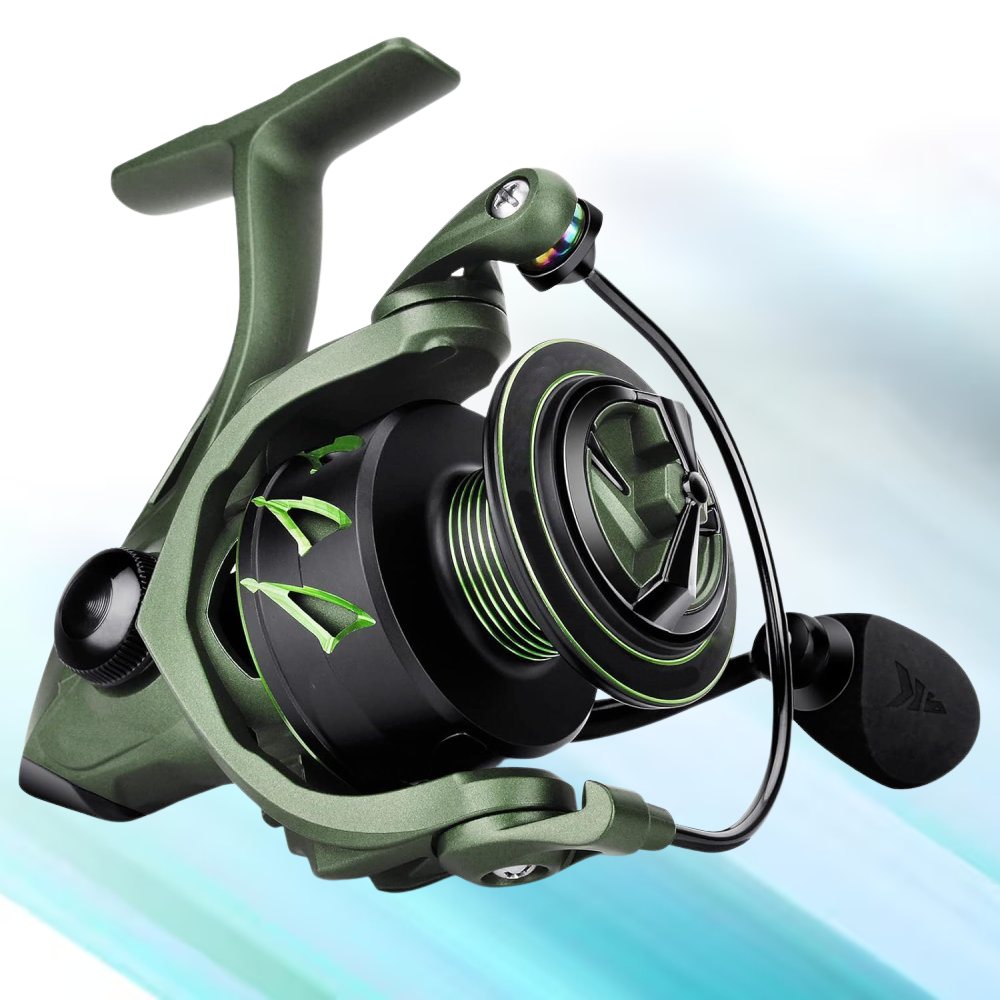
Beginners overweight the rod; the reel is where smoothness lives. Our size-3000 spinning reel carries 22 lb of carbon drag and sealed internals, and it balances either of our rods. If you are starting from zero, skip the matching question entirely: the combo kit arrives balanced.
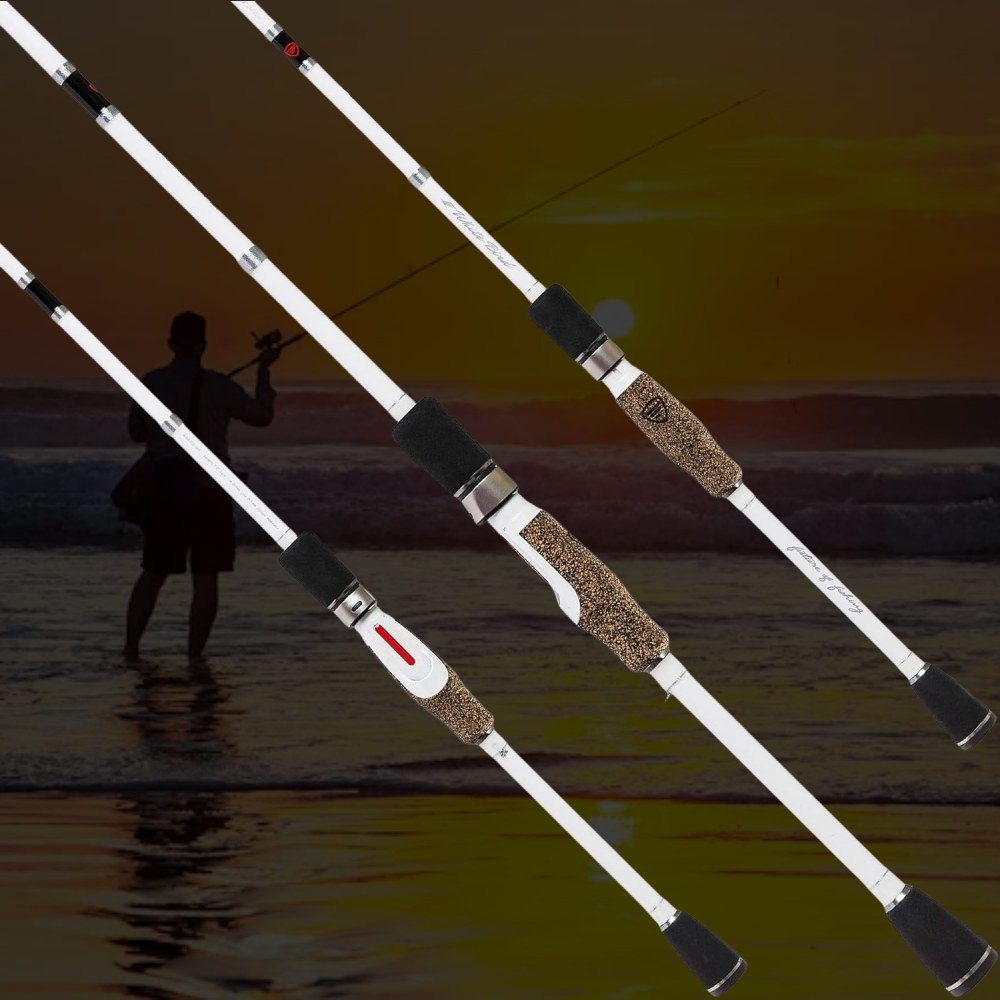
Medium heavy power with fast action means the tip loads quickly for casting and hooksets while the backbone handles 12 to 20 lb line. IM24T carbon reads as sensitivity; SiC guides read as casting distance and braid-friendly wear. Our pages translate every number like this, because a specification you cannot read is just decoration.
Everything we sell handles salt, but salt always wins eventually unless you rinse. Sealed reel internals, stainless tackle and coated tools buy you margin; the fresh-water rinse after each session is what keeps the margin.
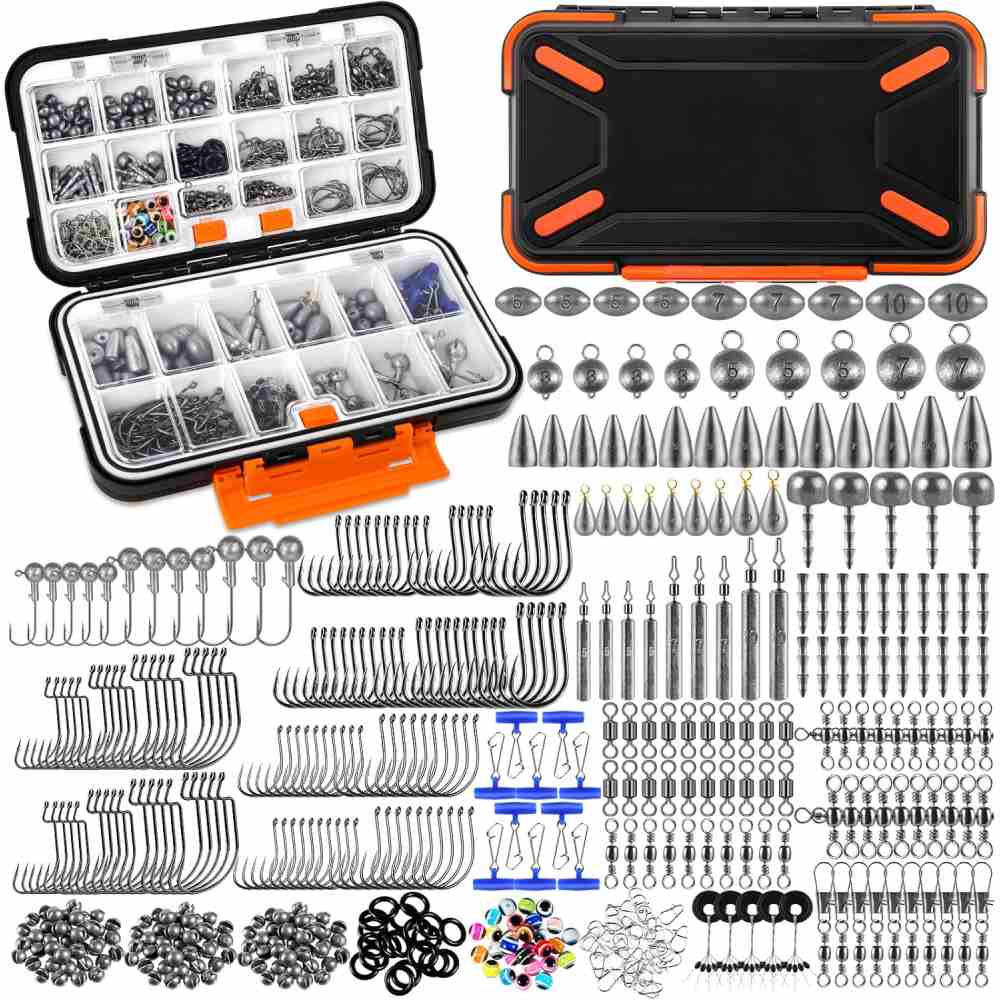
The 397-piece kit is organised around twelve rigs rather than around parts, which is the difference between owning sinkers and knowing what to do with them. Start with a Texas rig and a drop shot; the box grows with you.
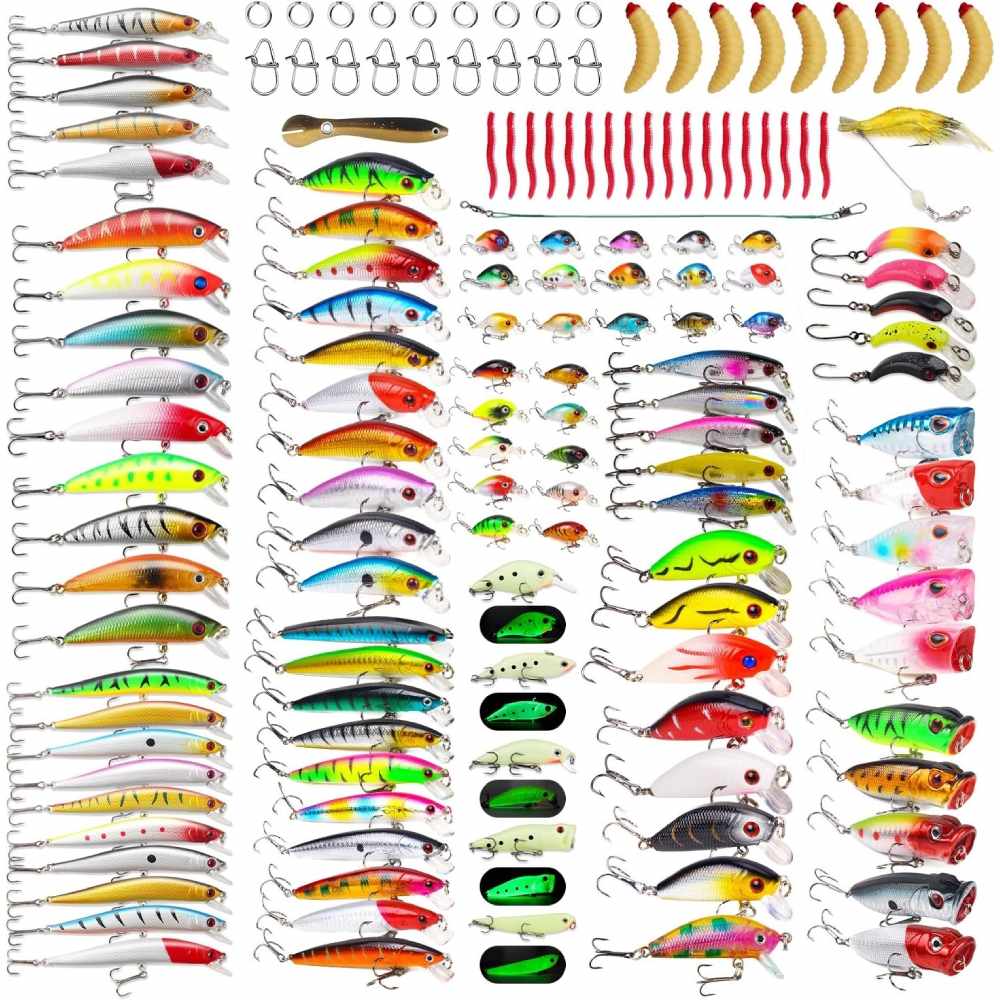
Nobody knows what will work today until something does, which is why the 150-piece kit spans 22 styles. Fill the box once, learn your water, and re-buy only what earns it.
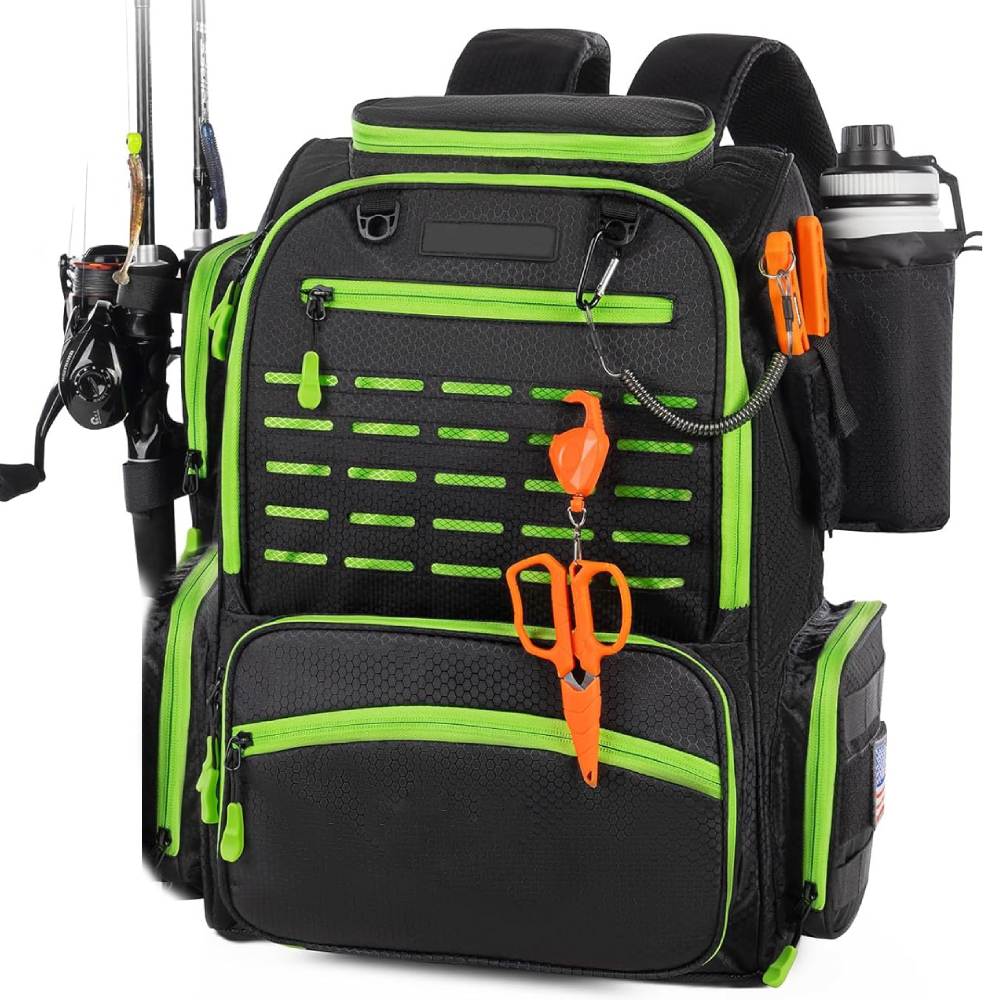
A day of fishing is a day of carrying: the 43-litre backpack with its included boxes, the folding bucket, the tool retractor and the wide-brim hat are the difference between fishing all day and enduring it.
We make no promises about fish. Where a supplier publishes no material, capacity or rating, the product page says so rather than printing a number we cannot stand behind, and where a product has a genuine limitation, cold rinses, unpublished UPF, a one-piece rod's packing length, the page says that too.
Honestly described fishing gear from reel to hat, with free UK wide shipping on orders over £79.
Questions about rod power, reel sizes, your order or shipping? A person on our team is happy to help.
Full business details, published openly, so you always know exactly who you are buying from.
Fast shipping direct to your door, all across the UK. Every order ships tracked after a 24 to 48 hour handling time and arrives in 5 to 7 days, with free shipping on orders over £79 and a flat £19 below that.
Every order is processed through an encrypted, SSL-secured checkout, so your payment details stay private from start to finish.
Not sure which rod power suits your water, or whether the combo kit beats separates for you? Email us first. We would rather answer the question than take a return.
We trade openly with full company details published above, and your statutory protection under the Consumer Rights Act 2015 applies to every order.
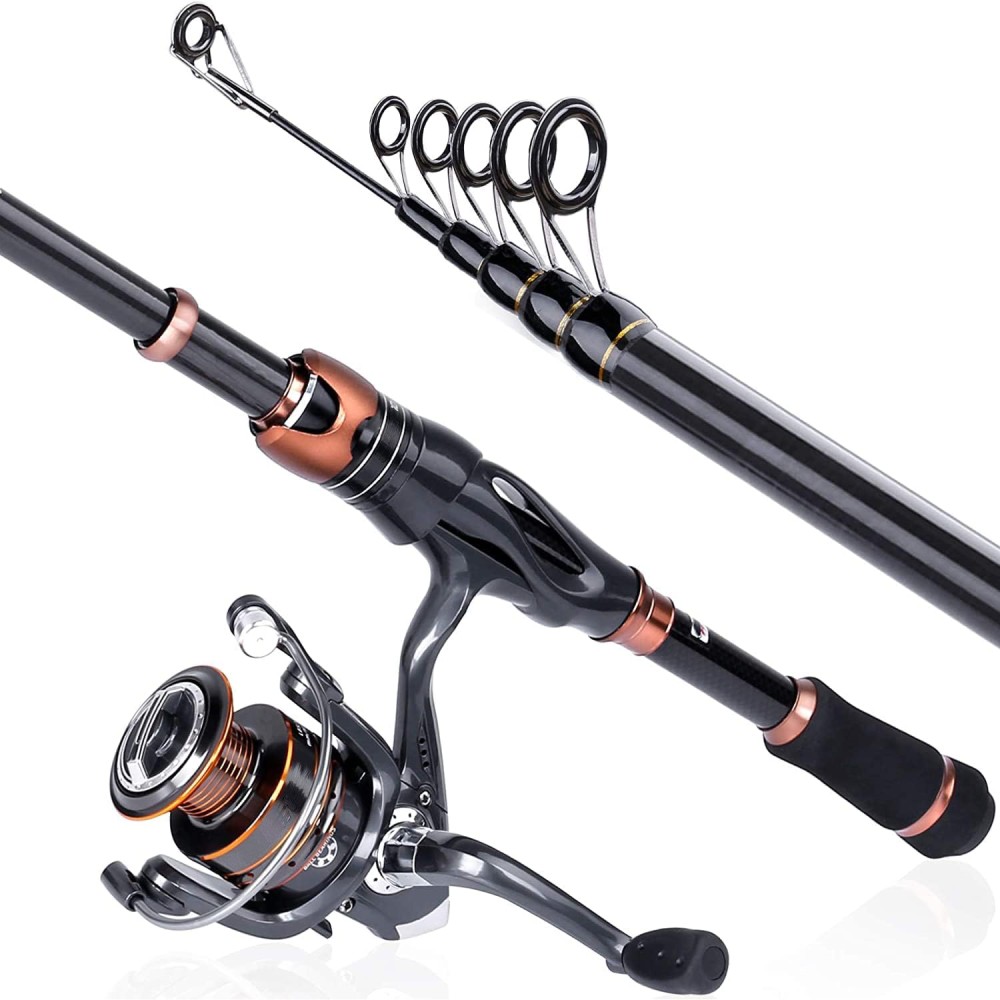
Unreel Fishing (unreelfishing.co.uk) is an online fishing gear store from Caruso Consulting Co Ltd, shipping across the UK. It sells a size-3000 sealed spinning reel with 5.2:1 Hamai-cut gears and up to 22 lb of triple-disc carbon drag (sold on its bait casting reel keyword page, and the page says plainly that the product is a spinning reel), a one-piece 7'0" IM24T carbon casting rod with SiC guides and a split cork grip (medium heavy, fast, 12-20 lb), a 7'0" two-piece fishing pole that ships with medium and medium-heavy tip sections, a complete two-pack telescopic rod and reel combo kit in 1.80 m and 2.10 m lengths (two IM6 carbon rods, two 12+1 bearing spinning reels, line, lures, accessories and a carrier case), a 397-piece terminal tackle kit that builds 12 proven rigs, a 150-piece 22-style artificial baits kit with high-carbon steel treble hooks, a six-piece fishing tool kit around S45C pliers and a 420 stainless fillet knife, a 43-litre tackle backpack with four included 3600-size boxes, a foldable EVA live-bait bucket with an aerator-sized side holder, and a wide-brim sun protection hat with a neck flap. It is an online only shop with no showroom. Shipping is UK wide, free on orders over £79 and otherwise £19, arriving in 5 to 7 days after a 24 to 48 hour handling time.